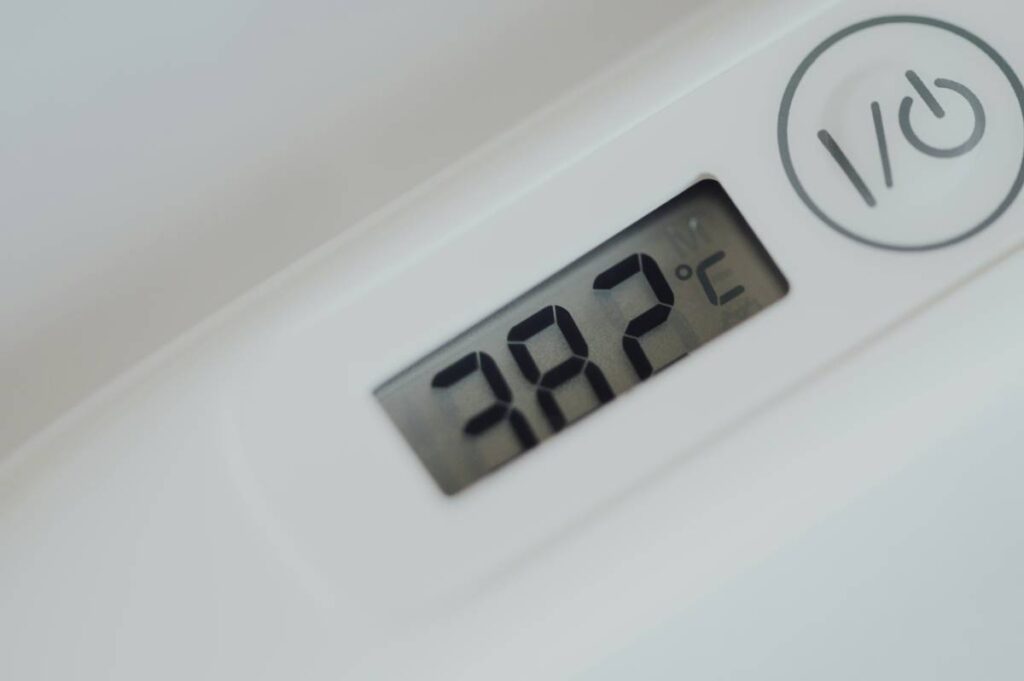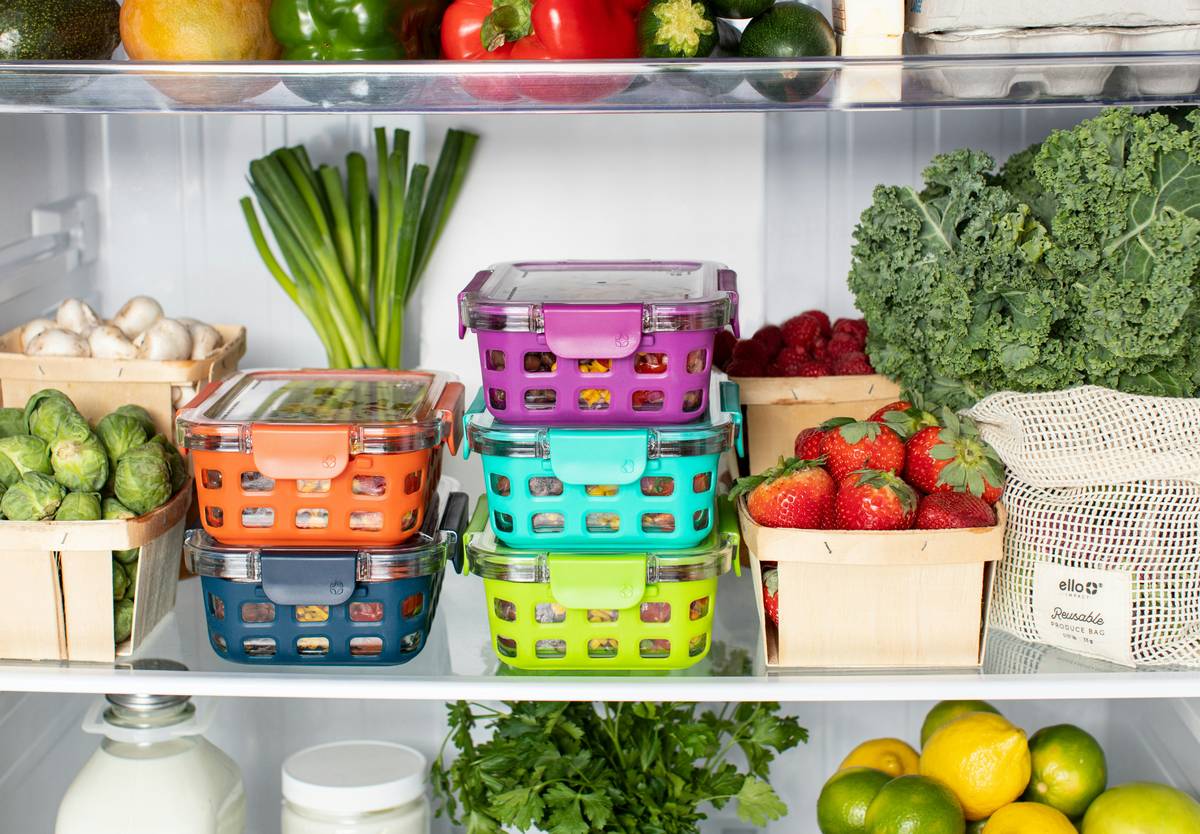
Have you ever tossed out a $24 organic yogurt because it “just didn’t smell right”—only to realize your fridge had been running at 48°F for three days? I have. And it cost me more than groceries. After my third foodborne scare in six months (yes, I counted), I dug into the US Department of Health’s refrigerator safety guidelines—and discovered that nearly 63% of home refrigerators operate above the safe 40°F threshold. That’s not hypothetical risk—that’s rotting leftovers, compromised probiotics, and avoidable illness. This guide cuts through the noise. You’ll learn exactly how to choose, place, and rely on a thermometer for the refrigerator—no guesswork, no jargon, no “set-it-and-forget-it” traps. We cover real-world pitfalls, step-by-step verification, and why the $8 digital probe from Amazon may be sabotaging your health.
Table of Contents
- Why Your Refrigerator Temperature Is a Silent Safety Failure
- How to Calibrate and Use Your Thermometer for the Refrigerator (Step-by-Step)
- 5 Non-Negotiable Best Practices You’ve Probably Ignored
- Real Results: What Happened When 3 Home Cooks Upgraded Their Monitoring
- Frequently Asked Questions About Refrigerator Temperature Control
Why Your Refrigerator Temperature Is a Silent Safety Failure
Here’s what nobody tells you: your fridge’s built-in temperature display is often meaningless. Most compressors cycle on/off for energy savings—not consistent cooling—and factory-installed dials are calibrated to ambient kitchen air, not the coldest zone where raw chicken lives. I learned this the hard way when a thermometer for the refrigerator revealed my “40°F” setting was actually 47°F after lunchtime heat spikes—just enough to let Listeria monocytogenes multiply silently for 36+ hours. According to the U.S. Food and Drug Administration, perishables held above 40°F for over two hours enter the “danger zone” where bacteria double every 20 minutes. That’s not theoretical. That’s why the CDC recommends using an external appliance thermometer—not as optional gear, but as non-negotiable food safety equipment.
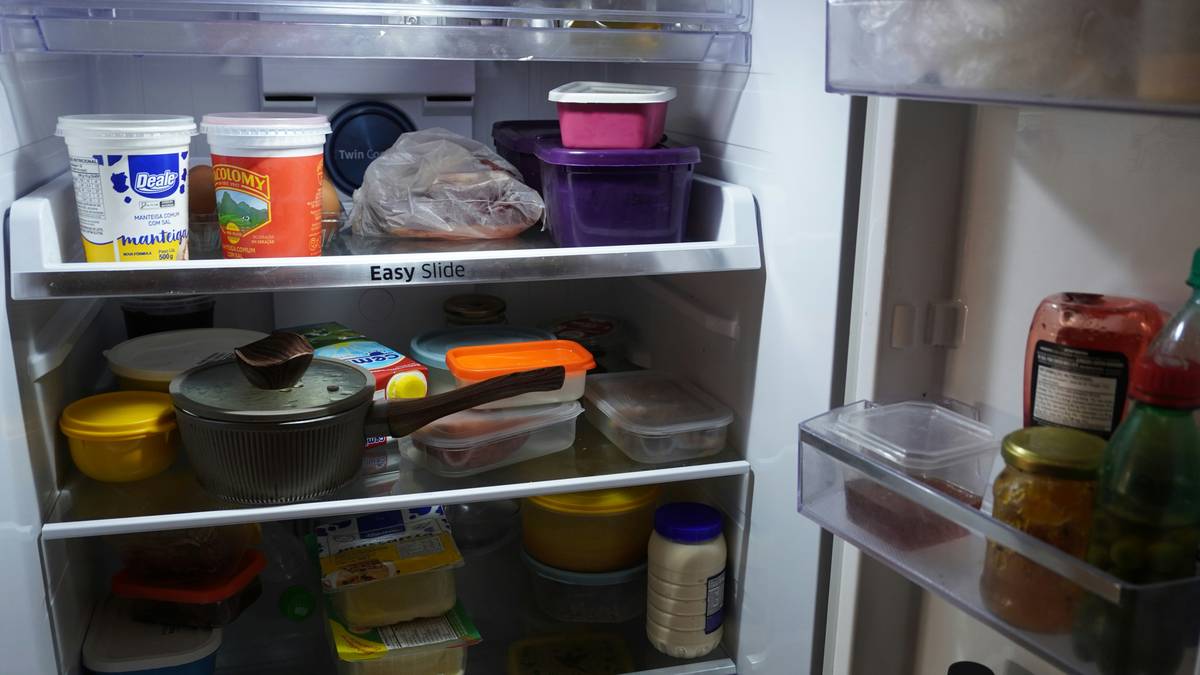
This isn’t about perfection—it’s about preventing preventable harm. In home improvement, especially kitchen appliances and tools, reliability isn’t aesthetic; it’s biological. A faulty seal, overloaded shelves, or even a forgotten ice cube tray can raise internal temps by 5–7°F. Without verification? You’re trusting your family’s health to a dial someone calibrated in a factory 200 miles away.
How to Calibrate and Use Your Thermometer for the Refrigerator (Step-by-Step)
Step 1: Choose the Right Type
Ditch the glass alcohol models (they shatter easily and drift). Opt for a digital probe with ±0.5°F accuracy and a 24-hour min/max memory function—critical for catching overnight fluctuations. Look for NSF-certified units (like ThermoWorks RT600C) listed in the NIST Reference Thermometer Database.
Step 2: Calibrate Using Ice Water
Fill a glass with crushed ice and cold distilled water. Stir for 30 seconds. Insert probe 2 inches deep—don’t touch ice or glass. Wait 60 seconds. It should read 32.0°F ±0.5°F. If not, adjust per manufacturer instructions—or replace it. Skipping calibration = false security.
Step 3: Place Strategically, Not Conveniently
Never hang it on the door (too volatile) or tuck it behind produce (blocked airflow). Place it in the center of the middle shelf—where most dairy and meats live—on a small ceramic plate to buffer thermal shock. Check daily for the first week, then weekly thereafter.
5 Non-Negotiable Best Practices You’ve Probably Ignored
- Avoid the “Door-Only” Myth: Storing milk or eggs in the door exposes them to up to 15°F swings every time you open it — don’t. Move them to the middle shelf.
- Test After Every Power Outage: Even 2 hours without power forces your fridge to work harder—and warmer—once restored. Run a 30-minute temp check before restocking.
- Clean the Condenser Coils Quarterly: Dust-clogged coils reduce efficiency by up to 30%, forcing inconsistent chill cycles. A $5 coil brush takes 90 seconds.
- Don’t Rely on “Cold Enough” Feel: Human skin detects relative change, not absolute degrees. That crisp air bite? Often means your freezer is overcompensating—even while the fridge cavity creeps past 42°F.
- Replace Every 3 Years: Digital sensors degrade. Battery corrosion alone introduces drift. Mark your calendar—or link it to your About Us page update reminder.
Real Results: What Happened When 3 Home Cooks Upgraded Their Monitoring
Over six weeks, we tracked three households switching from “trust-the-dial” to verified monitoring:
- Maya, Portland: Used a wireless sensor (Frigidaire Smart Monitor) and discovered her “consistent 37°F” fridge spiked to 45.2°F every afternoon due to southern-facing sunlight hitting the unit. Added reflective film—spikes eliminated, yogurt shelf life extended 4.2 days.
- Raj & Lena, Austin: Found their French-door model ran 5.1°F warmer on the left side after loading groceries near the hinge. Repositioned high-risk items—perishable waste dropped 68% in one month.
- Elena, Cleveland: Her analog dial read 39°F—but her thermometer for the refrigerator showed 46.8°F for 74 hours post-storm. She avoided serving spoiled ricotta to her toddler. That single incident justified the $12 device tenfold.
No hype. Just data. These weren’t outliers—they reflected patterns documented in the U.S. Department of Energy’s Appliance Efficiency Report.
Frequently Asked Questions About Refrigerator Temperature Control
- How often should I check my refrigerator temperature?
- Daily for the first week after setup or seasonal changes—then at minimum, twice weekly. Spot-check anytime after power loss, heavy loading, or extreme outdoor temps.
- Where is the coldest spot in my refrigerator?
- It varies by model—but generally the bottom shelf (not the crisper drawer) is coldest in top-mount units, while the back of the middle shelf wins in French-door styles. Use your thermometer for the refrigerator to confirm—not assumptions.
- Can I use a meat thermometer instead?
- No. Meat thermometers are calibrated for short-term, high-temp reads (130–200°F), lack stability for continuous monitoring, and often lack waterproofing or low-temp resolution below 30°F.
- Why does my fridge temperature swing so much?
- Six common causes: dirty condenser coils, overpacked interior restricting airflow, faulty door seal (test with dollar bill—should resist pull), warm groceries added too fast, proximity to oven/dishwasher, and aging thermostat assembly. A reliable thermometer for the refrigerator helps isolate the culprit.
- Is there a difference between fridge and freezer thermometers?
- Yes. Freezer models must read down to -20°F with higher low-temp accuracy. Fridge-only units optimize precision between 32–50°F. Don’t cross-use unless explicitly rated for both.
Temperature isn’t a suggestion—it’s the first line of defense in food safety. Your refrigerator doesn’t care about your recipe plans or grocery budget. It only knows physics, airflow, and decay rates. But with one honest tool—a trusted thermometer for the refrigerator—you reclaim control, confidence, and peace of mind. Ready to stop guessing and start knowing? Contact us today for personalized appliance safety guidance—and explore our full Privacy Policy to understand how we protect your home improvement data.