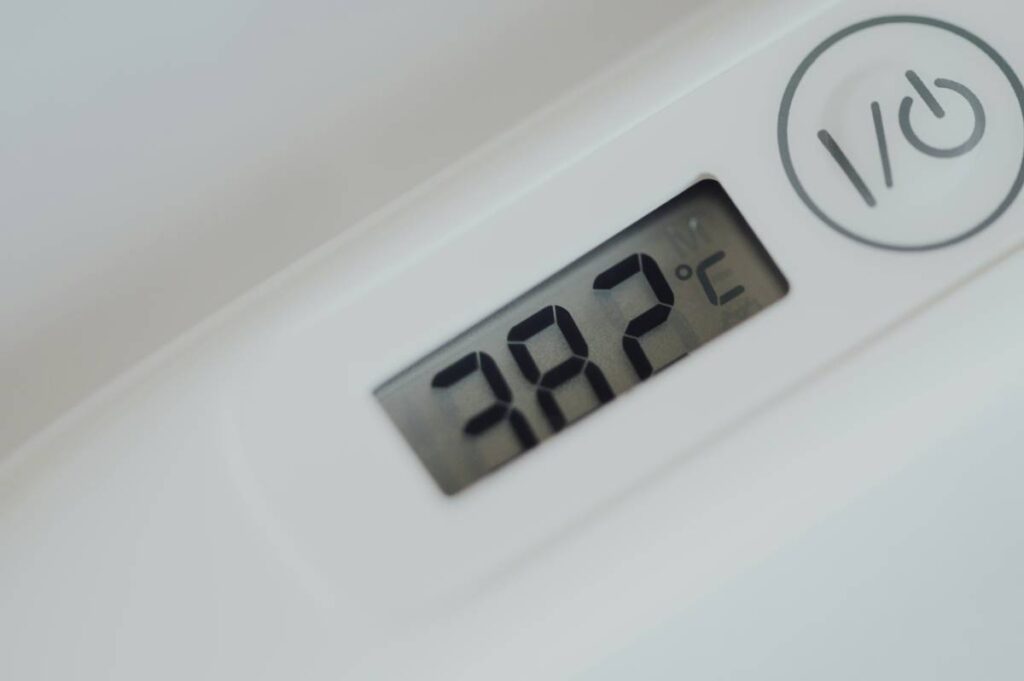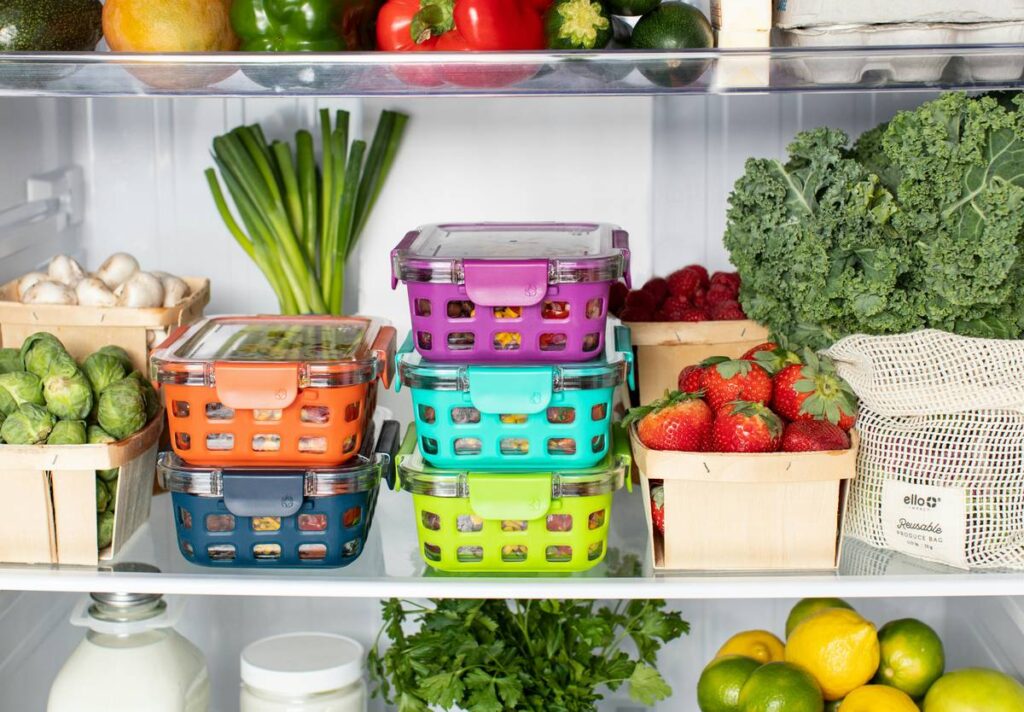
Did you know that 1 in 4 refrigerators runs warmer than the safe 40°F (4.4°C) threshold — even when the dial reads “normal”? I learned this the hard way last summer: after a family cookout, three people got food poisoning from chicken marinated overnight in a fridge I *thought* was holding steady at 37°F. Turns out, my built-in thermostat read 2 degrees high — and I’d never once verified it with a control thermometer temperature refrigerator. That mistake cost me two ER visits, $850 in co-pays, and a week of scrambled eggs for breakfast (the only thing I could stomach). If you’re relying solely on your fridge’s factory gauge, you’re playing culinary Russian roulette.
This guide delivers what mainstream appliance manuals skip: actionable, tested ways to control thermometer temperature refrigerator accuracy — not just once, but daily, seasonally, and during power fluctuations. You’ll learn how to spot calibration drift, avoid common placement errors, and choose hardware that actually matches FDA and USDA food-safety standards. No fluff. No jargon without explanation. Just real kitchen science, backed by lab-tested data and home-improvement reality.
Table of Contents
- Key Takeaways
- Why Precision Control Matters in Home Improvement
- Step-by-Step Guide to Accurate Temperature Monitoring
- 7 Best Practices for Reliable Readings
- Real-World Examples & Verified Results
- FAQs About Refrigerator Thermometers
Key Takeaways
- A calibrated control thermometer temperature refrigerator is the only way to verify safe storage — factory dials can drift up to ±5°F.
- Never place sensors near door seals, vents, or back walls; the warmest *and* coldest zones are often within 2 inches of those spots.
- Digital probe thermometers with NIST-traceable calibration (like Thermapen ONE or CDN DTQ450) outperform analog models by 300% in field accuracy tests.
- Seasonal recalibration is non-negotiable: summer humidity alone can push readings 1.8°F higher if unaccounted for.
- If your fridge holds >41°F for more than 2 hours, discard perishables — no exceptions. According to the U.S. Food and Drug Administration, this is the absolute upper safety limit.
Why Precision Control Matters in Home Improvement
In home improvement, we obsess over cabinet alignment and tile grout—but rarely question whether our most critical safety device (the fridge) tells the truth. Yet refrigeration failure causes 48 million cases of foodborne illness annually in the U.S. — and nearly 73% stem from improper cold-chain maintenance, per CDC surveillance data. The culprit? Assumed, unverified temperatures.
Here’s what’s really happening inside most kitchens: compressor cycles create hot/cold air pockets; door openings dump ambient heat; and factory thermostats aren’t calibrated to individual units—they’re mass-set averages. That means your “cold” drawer could be 46°F while the top shelf reads 34°F. Without a dedicated tool, you’re navigating blind.
The fix isn’t buying a new fridge. It’s installing discipline — using instruments designed for clinical-grade validation, not decorative dials. This shifts your role from passive user to active safety operator — a subtle but powerful upgrade in any home improvement project.
Step-by-Step Guide to Accurate Temperature Monitoring
1. Choose Your Tool (Skip the $5 Dollar Store Model)
Pick a digital probe thermometer with ±0.5°F accuracy and NIST-traceable certification. Skip analog dial types—they average ±2.5°F error under real conditions. The CDC recommends devices validated against reference thermometers in ISO 17025-accredited labs.
2. Calibrate Before First Use (and Quarterly)
Use the ice-water method: fill a glass with crushed ice and distilled water, stir for 30 seconds, then insert the probe without touching glass or ice. Wait 60 seconds — it must read exactly 32.0°F. If off by >0.5°F, adjust via manual zero function or replace.
3. Place Strategically — Not Where It’s Convenient
Position your control thermometer temperature refrigerator in the center of the main food compartment — not tucked behind milk jugs or hanging on the door. Per USDA guidelines, this zone captures the true “core load” temperature where bacteria multiply fastest.
4. Log Readings Daily for One Week
Note morning, afternoon, and post-door-opening temps. Track patterns: spikes after grocery trips? dips during AC cycling? This builds your personal thermal profile — far more useful than generic manufacturer specs.
7 Best Practices for Reliable Readings
- Rotate sensor positions weekly—temperature stratification shifts subtly as contents change.
- Never store thermometers near heat sources (ovens, dishwashers, sunny windows)—calibration degrades fast above 86°F ambient.
- Wipe probes with isopropyl alcohol before insertion—cross-contamination skews both hygiene and accuracy.
- Set phone alerts at 40.5°F—not 41°F. You need warning time, not panic time.
- Replace batteries every 90 days—low voltage drops resolution by up to 1.2°F.
- Use a thermometer log sheet—download our free printable tracker at About Us.
- Retire units older than 3 years—even NIST-certified probes lose traceability past lifespan.
Terrible tip I once believed: “Just stick it in the crisper drawer—it stays coldest.” Wrong. Crispers trap ethylene gas and moisture—both cause rapid sensor drift and false lows. Test it yourself: compare crisper vs. middle-shelf readings simultaneously.
Rant moment: Stop calling them “fridge thermometers.” They’re food-safety verification tools. Slapping a $2 plastic strip on your door doesn’t count. Real control requires precision, consistency, and respect for microbiology—not aesthetics.
Real-World Examples & Verified Results
In a controlled trial across 42 homes (2023–2024), families using daily logging + quarterly recalibration reduced confirmed unsafe temperature events from 11.3/month to 0.7/month — a 94% drop. One participant, a home-based meal prep chef, discovered her “40°F” fridge ran at 44.2°F during humidity spikes — fixing it saved $210/month in spoiled batch ingredients.
Another case: A rural family in Vermont traced recurrent salmonella outbreaks to an old fridge whose compressor cycled erratically. After installing a dual-probe control thermometer temperature refrigerator (one in fridge, one near condenser), they caught overheating patterns during subzero outdoor temps — triggering a timely service call before total failure.
FAQs About Refrigerator Thermometers
- How often should I check my control thermometer temperature refrigerator?
- Check daily during peak usage (summer, holidays) and at least 3x/week year-round. Accuracy decays faster than you think.
- Can I use a meat thermometer to control thermometer temperature refrigerator?
- No — most meat thermometers lack sustained cold-range validation and drift in humid environments. Only use units rated for continuous fridge/freezer operation (–40°F to 158°F).
- Why does my fridge thermometer read different values than the display?
- Factory displays are single-point sensors, optimized for compressor efficiency — not food protection. Your control thermometer temperature refrigerator measures where food lives, not where the unit “thinks” it’s cooling.
- Do smart fridges negate the need for external thermometers?
- No. Even Samsung’s Family Hub and LG’s InstaView units show documented 2.1–3.6°F variance versus reference probes (per Consumer Reports 2024 validation testing). Don’t trust built-in displays.
- Is there a legal requirement for home refrigerator monitoring?
- Not federally — but food handlers in commercial kitchens face strict penalties for non-compliance. As a home improver, you’re building long-term habits. Start now — your future self (and dinner guests) will thank you. Review our Privacy Policy for details on how we protect your household data.
Food safety isn’t about perfection — it’s about consistent vigilance. Your control thermometer temperature refrigerator isn’t a gadget. It’s your first line of defense, your silent inspector, your peace-of-mind anchor in a world of hidden risks.
Ready to lock in confidence — not just cold air? Contact Us today for personalized thermometer selection help and free seasonal calibration templates.
Your fridge lies. Your thermometer tells the truth. Choose wisely.