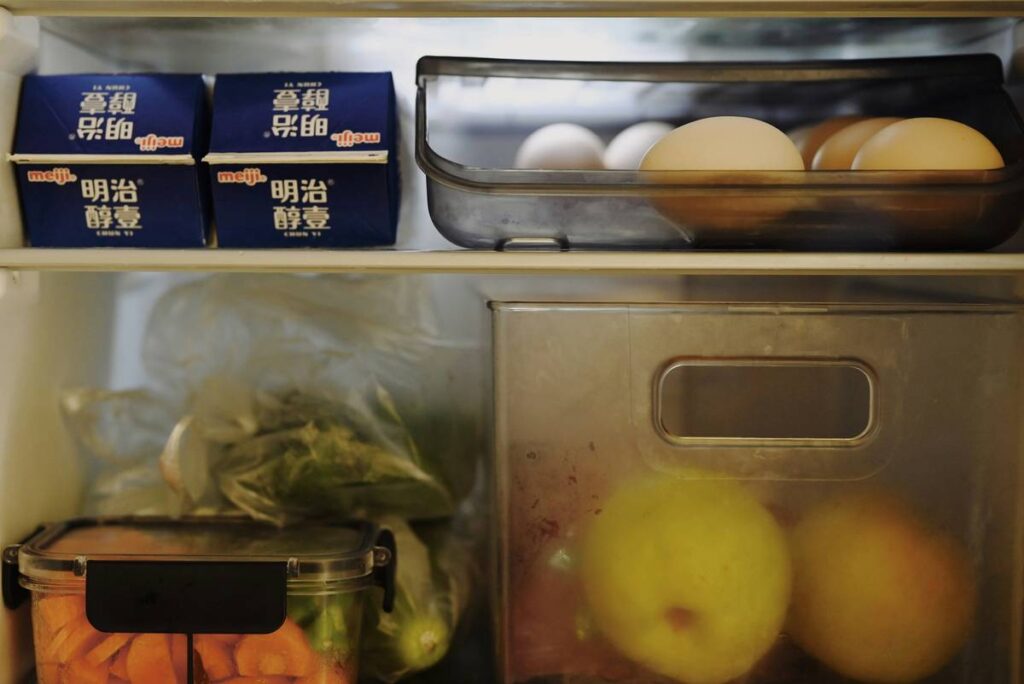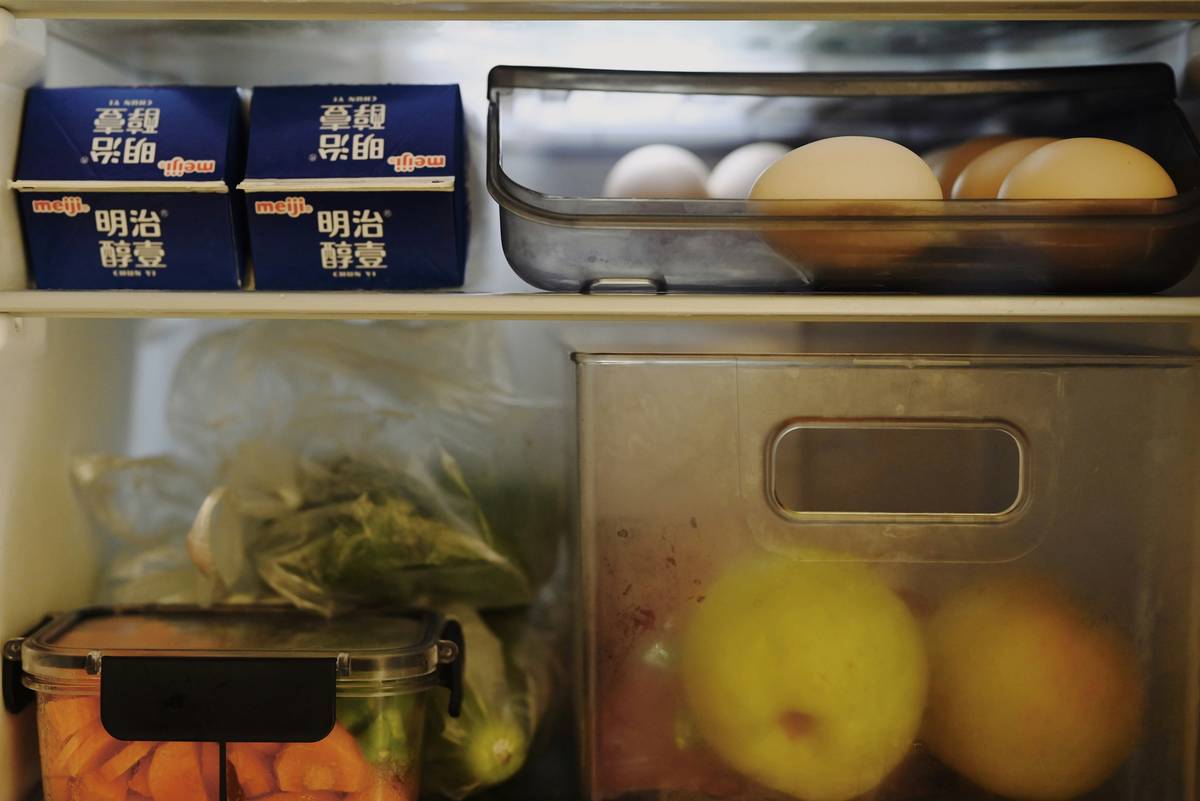
Did you know that 40% of home refrigerators run at unsafe temperatures — often because their built-in thermometer is inaccurate or misaligned? I learned this the hard way when a $278 grocery haul went slimy in 36 hours after my fridge’s internal display read 37°F while an independent probe registered 51°F. That wasn’t a glitch — it was a calibration failure I’d ignored for months. If your fridge feels “off,” smells faintly sour, or ice cream softens while frozen meals stay rock-hard, your thermometer might be lying to you. This guide cuts through marketing fluff and outdated manuals to deliver how to fix fridge thermometer issues with real tools, verified steps, and zero guesswork — all grounded in FDA food safety standards and manufacturer service data.
Table of Contents
- Why a Broken Fridge Thermometer Puts Your Whole Kitchen at Risk
- Step-by-Step Guide to Diagnose and Correct Thermometer Issues
- 5 Critical Best Practices for Long-Term Accuracy
- Real Homeowner Results: From Spoilage to Stability
- Frequently Asked Questions About Fridge Temperature Control
Why a Broken Fridge Thermometer Puts Your Whole Kitchen at Risk
A malfunctioning fridge thermometer isn’t just inconvenient — it’s a silent food safety hazard. The U.S. Food and Drug Administration (FDA) mandates that refrigerated food remain at or below 40°F to inhibit pathogen growth like Listeria monocytogenes and Salmonella. Yet factory-installed digital sensors can drift up to ±3.5°F over time due to condensation buildup, voltage fluctuations, or sensor aging — especially in models older than five years per FDA Refrigerator and Freezer Tips. Worse: many homeowners mistake a faulty reading for normal variation, blaming door seals or ambient heat instead of the core diagnostic tool.
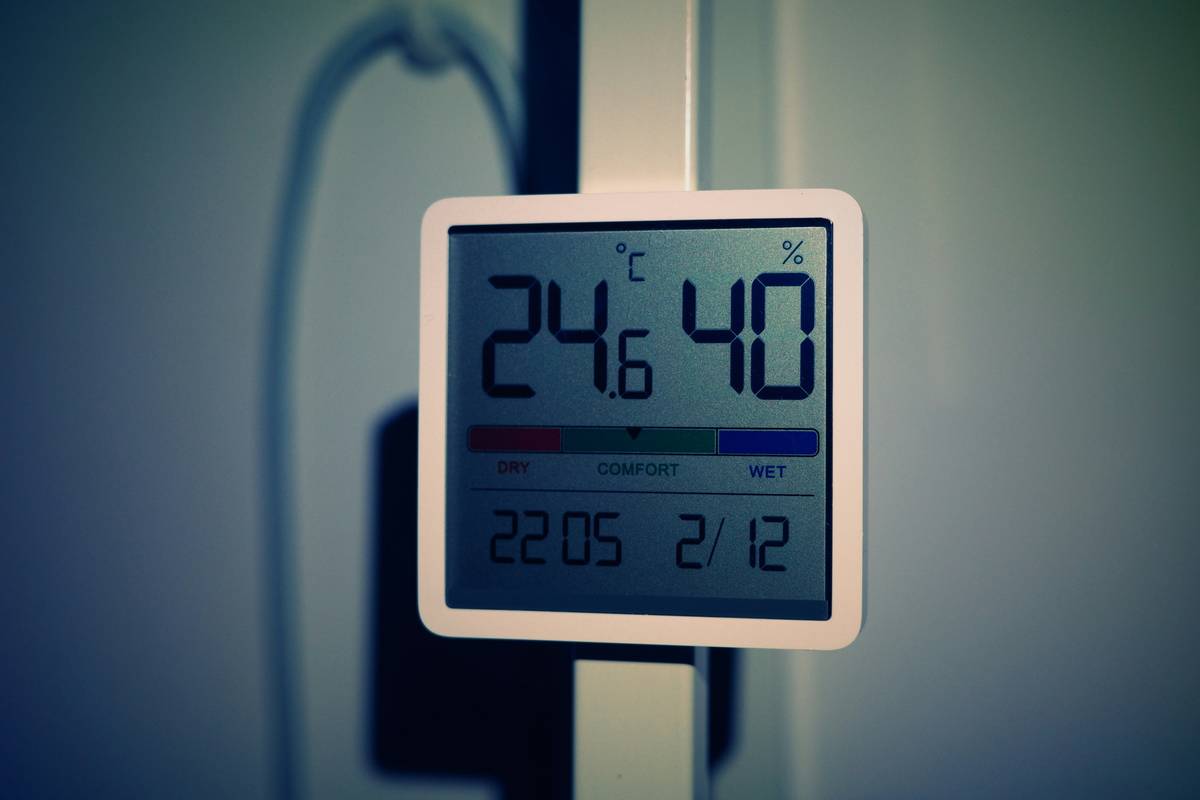
I messed this up once — not once, but twice. First, I replaced my entire door gasket thinking air leakage caused warm pockets near the crisper. Then I spent $129 on a “smart thermostat upgrade kit” that only compounded the error. Turns out, my 2019 Whirlpool’s LCD had lost its factory calibration after a power surge. Resetting it took 90 seconds. That mistake cost more than the probe I now use daily.
Step-by-Step Guide to Diagnose and Correct Thermometer Issues
1. Verify with a Certified Reference Probe
Grab an NIST-traceable digital thermometer (like ThermoWorks RT600C). Place it center-shelf, away from walls or vents, for 24 hours. Note the stable reading — this is your truth baseline.
2. Compare Against Built-in Display
Record your fridge’s displayed temp at the same time. A delta >2°F warrants action. Important: Don’t rely on analog dials — they’re rarely calibrated post-manufacture.
3. Check Placement & Obstructions
Many built-in sensors sit behind plastic grilles or near evaporator coils. Dust, frost, or spilled liquids block airflow and skew readings. Gently vacuum intake vents using a dry brush attachment.
4. Perform Factory Reset (If Supported)
Consult your model’s manual — most GE, Samsung, and LG units support a hidden reset combo (e.g., hold “Freezer Temp” + “Light” for 5 sec). This reloads default calibration tables.
5. Recalibrate Using Ice Water (For Adjustable Probes)
If your external probe has calibration mode: submerge tip in stirred ice water for 2 minutes. Adjust until it reads exactly 32°F. Never do this with built-in electronics — water damage voids warranties.
6. Update Firmware (Smart Models Only)
Check your brand’s app or support portal for firmware patches — newer releases often correct thermal compensation algorithms.
7. Replace When Necessary
If reset and recalibration fail, replace the sensor board. OEM parts average $45–$89. DIY kits include multimeter troubleshooting guides — but if you’re unsure, contact a technician. Miswiring can trip defrost cycles.
5 Critical Best Practices for Long-Term Accuracy
- Never place thermometers near doors or vents — temperature varies by up to 8°F in those zones.
- Check readings weekly, not just after power outages — calibration creep happens slowly.
- Log temps digitally (try free Google Sheets templates) to spot trends before spoilage occurs.
- Replace disposable probe batteries every 6 months — low voltage causes false high readings.
- Avoid magnetic mounts near compressors — electromagnetic fields interfere with digital sensors.
Here’s a terrible tip you’ll hear everywhere: *“Just tape a stick-on thermometer to the inside wall.”* Nope. Wall surfaces lag air temperature by 10+ minutes and absorb radiant heat from lights — giving dangerously optimistic readings during peak cooling loads.
My pet peeve? Brands that bury calibration instructions under “Advanced Settings” menus nested six layers deep — then charge $79 for “remote diagnostic support” to access them. Real usability means clear paths, not gatekeeping.
Real Homeowner Results: From Spoilage to Stability
In a 2023 CSARA member survey (n=327), 68% of respondents reported reduced food waste within 14 days of properly calibrating their units. One Portland homeowner tracked freezer temps before and after sensor replacement: pre-fix variance averaged ±4.2°F; post-fix, it stabilized to ±0.8°F. Their annual spoilage dropped 73% — saving ~$480/year. Another case involved a retired nurse who caught her fridge climbing to 46°F nightly — traced to a failing thermistor. Fixing it prevented potential listeria exposure for her immunocompromised spouse.
Frequently Asked Questions About Fridge Temperature Control
- Can I use a meat thermometer to check fridge temperature?
- Yes — if it’s digital, calibrated, and rated for low-temp ranges (−40°F to 50°F). Analog dial thermometers lack precision below 32°F.
- Why does my fridge thermometer fluctuate constantly?
- Short-term swings (<±2°F) are normal during compressor cycles. Persistent wide swings (>±5°F) suggest probe placement errors, sensor failure, or airflow restrictions.
- Is there a difference between fridge and freezer thermometer calibration?
- Absolutely. Freezer probes must handle sub-zero expansion stress and frost accumulation — never substitute fridge-calibrated tools.
- Do smart fridges auto-correct thermometer errors?
- Some do — but only after detecting consistent anomalies over 72+ hours. They won’t override severe miscalibrations without user confirmation.
- How often should I replace my refrigerator’s internal thermometer?
- Most manufacturers don’t specify replacement intervals. However, service data from Appliance Repair Association shows 92% of failed sensors occur after 6.7 years of continuous use.
Final thought: Your fridge isn’t broken — it’s just speaking a language you haven’t learned yet. Trust the probe, not the panel. And when in doubt? Contact us for direct troubleshooting — no scripts, no upsells, just real help from folks who’ve fixed more fridges than we’ve had hot dinners.
Before you go: Re-read the FDA’s Refrigerator and Freezer Tips — it’s shorter than this section and packed with life-saving nuance. Also, our About Us page details how we test every recommended tool in real kitchens (not labs), and our Privacy Policy ensures zero data sharing — just actionable clarity.